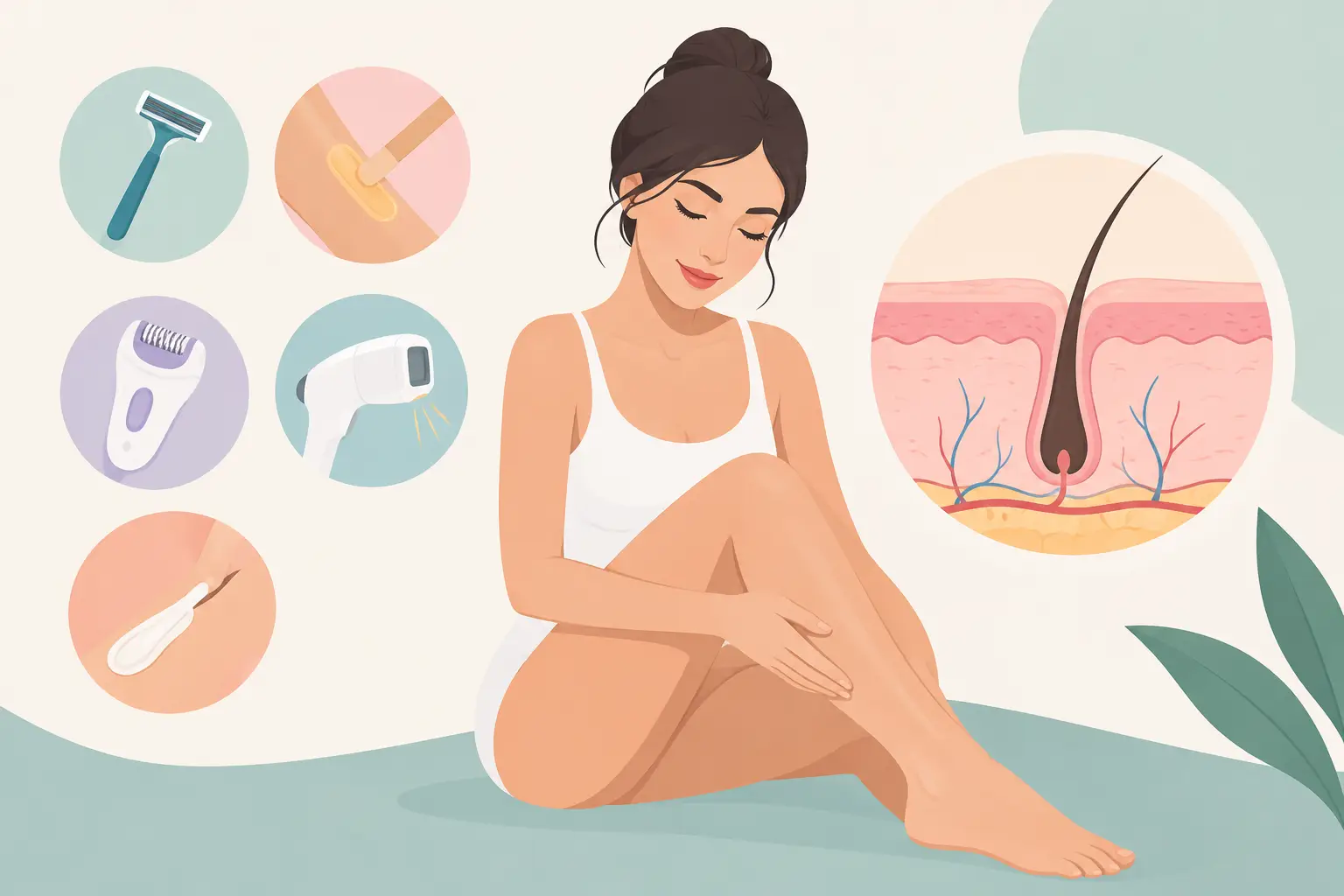
A smooth result is only part of the goal. The right hair removal plan should also respect your skin barrier, reduce avoidable irritation, and fit realistically into your routine. What works beautifully for a small area of fine hair may be frustrating or too aggressive for coarse facial hair, sensitive underarms, or skin prone to discoloration.
Rather than choosing a method based on a trend or a package, begin with a clear question: what do you want to change, and how long do you want the result to last? A thoughtful answer helps guide both the treatment method and the level of aftercare your skin may need.
Hair Removal Starts With Skin and Hair Assessment
Hair growth is personal. Its density, thickness, color, growth cycle, and response to treatment vary by body area and by individual. Skin tone, sensitivity, history of ingrown hairs, active acne, eczema, and use of certain medications also affect which approach is appropriate.
This is why a consultation should be more than selecting an area from a menu. A careful clinician will look at the condition of your skin, ask about prior treatments, and discuss whether your goal is temporary grooming, a reduction in hair growth over time, or help with recurring irritation. If you have experienced post-inflammatory dark marks after shaving or waxing, that history deserves attention before a treatment plan is made.
Hormonal changes can be relevant as well. New or rapidly increased facial hair, especially when paired with irregular periods, acne, or scalp hair thinning, may call for medical evaluation. Hair removal can address the visible concern, but understanding a possible underlying cause can be equally valuable.
Common Hair Removal Methods and Their Trade-Offs
No single method is best for every person. Comfort, convenience, skin response, cost, and desired duration all matter. The most suitable option is often the one that provides a consistent result without creating a new skin concern.
Shaving
Shaving cuts hair at the surface of the skin. It is fast, accessible, and useful for areas that require frequent maintenance. Despite a common belief, shaving does not make hair grow back thicker or darker. It can feel more noticeable as it grows because the cut end is blunt.
The trade-off is that regrowth appears quickly, and repeated friction may lead to razor burn, bumps, or ingrown hairs. Use a clean, sharp razor, shave with adequate lubrication, and avoid pressing too firmly. If redness or bumps are a regular occurrence, shaving technique or the method itself may need to change.
Waxing and Sugaring
Waxing and sugaring remove hair from the root, so skin can remain smooth longer than it does after shaving. These methods can suit people who prefer periodic maintenance and have skin that tolerates pulling and exfoliation well.
However, they may cause temporary redness, follicular irritation, or ingrown hairs. They are not always ideal when the skin is inflamed, recently exfoliated, sunburned, or being treated with medications that increase sensitivity. For facial areas, waxing should be approached with particular care if you use retinoids or have a history of pigment changes.
Depilatory Creams
Depilatory creams dissolve hair close to the skin surface. They can be convenient for some body areas and may avoid the mechanical friction of shaving. Their chemical ingredients, though, can irritate sensitive or compromised skin.
A patch test is essential before broader use. Do not rely on a previous experience with a different formula or body area, since sensitivity can change. If stinging, burning, or marked redness occurs, remove the product promptly and avoid using it again without professional guidance.
Laser Hair Reduction
Laser treatment targets pigment in the hair follicle to reduce hair growth gradually over a series of sessions. Because hair grows in cycles, only some follicles are responsive at a given visit. This is why a single session rarely produces the full result someone expects.
Laser hair reduction can be especially helpful for coarse, dark hair and for people who are tired of frequent shaving or recurring ingrown hairs. It is often described as permanent hair removal, but a more accurate expectation is long-term hair reduction. Some areas may need occasional maintenance as hormones, age, and individual hair patterns influence regrowth.
Safety and effectiveness depend on selecting settings appropriate for your skin tone, hair characteristics, and treatment area. Not every hair color responds equally. Very light blond, gray, white, or red hair may have less pigment for the laser to target, so results can be limited. A personalized assessment helps establish whether laser treatment is likely to be worthwhile before committing to a course of care.
Electrolysis
Electrolysis treats individual follicles and can be considered for lighter hair colors that are less responsive to laser treatment. It requires patience because each hair is addressed separately, and larger areas can take considerable time.
For the right goal, it can be a useful option. It may be particularly relevant for small, precise areas or for clearing remaining hairs after a course of laser treatments. As with any follicle-based treatment, proper technique and skin care are essential to minimize irritation.
Preparing for a Professional Hair Removal Treatment
Good preparation supports a more comfortable appointment and a clearer assessment of your skin. Your provider should give instructions tailored to the treatment, but a few principles are widely useful.
Avoid treating skin that is sunburned, irritated, infected, or actively peeling. Let your clinician know about prescription skincare, oral medications, recent tanning, cosmetic procedures, and any history of scarring or cold sores when treating areas near the face. These details are not minor - they help determine timing and protect your skin.
For laser hair reduction, the treatment area is commonly shaved shortly before the visit so energy can be directed toward the follicle beneath the skin. Waxing, tweezing, and threading are usually paused beforehand because they remove the hair root that the treatment needs to target. Your clinician will provide the appropriate timeline for your specific plan.
Do not assume more intensity means a better result. In aesthetic medicine, an effective treatment is one that balances meaningful progress with skin safety. The right setting is determined by response, not by discomfort alone.
Aftercare Is Part of the Result
After any method that removes hair from the root or uses heat energy, the skin may feel warm, tender, or slightly swollen around the follicles. This response is often temporary, but it should be treated gently.
Keep the area clean, avoid heat-heavy workouts, hot baths, saunas, and harsh exfoliants for the period advised by your provider. Choose loose clothing for body treatments when possible, and use sun protection on exposed areas. Sun exposure can make irritated skin more likely to develop uneven pigmentation.
Resist the urge to pick at bumps or shed hairs. After laser treatment, treated hairs may gradually work their way out over days to weeks. This can look like regrowth at first, but it is often part of the normal shedding process. If you develop persistent pain, blistering, crusting, or significant discoloration, contact your treating clinic promptly rather than trying to manage it with strong home products.
When Ingrown Hairs Keep Returning
Ingrown hairs are not simply a cosmetic inconvenience. They can create tenderness, dark marks, and repeated inflammation, particularly in areas with coarse or curly hair. Close shaving, friction from tight clothing, and aggressive exfoliation can all contribute.
The solution is rarely to scrub harder. A more useful approach may include adjusting shaving direction, using a fresh blade, reducing friction, and choosing a gentler frequency of hair removal. For persistent cases, a clinician can assess whether follicle inflammation, acne-like breakouts, or pigment concerns need treatment alongside a longer-term hair reduction plan.
Your skin does not need to tolerate discomfort as the price of grooming. The most considered approach is one that accounts for your hair pattern, your skin’s behavior, and the pace at which you want to see change. With careful assessment and only the treatment you truly need, hair removal can become a quieter, more comfortable part of your routine.







A smooth result is only part of the goal. The right hair removal plan should also respect your skin barrier, reduce avoidable irritation, and fit realistically into your routine. What works beautifully for a small area of fine hair may be frustrating or too aggressive for coarse facial hair, sensitive underarms, or skin prone to discoloration.
Rather than choosing a method based on a trend or a package, begin with a clear question: what do you want to change, and how long do you want the result to last? A thoughtful answer helps guide both the treatment method and the level of aftercare your skin may need.
Hair Removal Starts With Skin and Hair Assessment
Hair growth is personal. Its density, thickness, color, growth cycle, and response to treatment vary by body area and by individual. Skin tone, sensitivity, history of ingrown hairs, active acne, eczema, and use of certain medications also affect which approach is appropriate.
This is why a consultation should be more than selecting an area from a menu. A careful clinician will look at the condition of your skin, ask about prior treatments, and discuss whether your goal is temporary grooming, a reduction in hair growth over time, or help with recurring irritation. If you have experienced post-inflammatory dark marks after shaving or waxing, that history deserves attention before a treatment plan is made.
Hormonal changes can be relevant as well. New or rapidly increased facial hair, especially when paired with irregular periods, acne, or scalp hair thinning, may call for medical evaluation. Hair removal can address the visible concern, but understanding a possible underlying cause can be equally valuable.
Common Hair Removal Methods and Their Trade-Offs
No single method is best for every person. Comfort, convenience, skin response, cost, and desired duration all matter. The most suitable option is often the one that provides a consistent result without creating a new skin concern.
Shaving
Shaving cuts hair at the surface of the skin. It is fast, accessible, and useful for areas that require frequent maintenance. Despite a common belief, shaving does not make hair grow back thicker or darker. It can feel more noticeable as it grows because the cut end is blunt.
The trade-off is that regrowth appears quickly, and repeated friction may lead to razor burn, bumps, or ingrown hairs. Use a clean, sharp razor, shave with adequate lubrication, and avoid pressing too firmly. If redness or bumps are a regular occurrence, shaving technique or the method itself may need to change.
Waxing and Sugaring
Waxing and sugaring remove hair from the root, so skin can remain smooth longer than it does after shaving. These methods can suit people who prefer periodic maintenance and have skin that tolerates pulling and exfoliation well.
However, they may cause temporary redness, follicular irritation, or ingrown hairs. They are not always ideal when the skin is inflamed, recently exfoliated, sunburned, or being treated with medications that increase sensitivity. For facial areas, waxing should be approached with particular care if you use retinoids or have a history of pigment changes.
Depilatory Creams
Depilatory creams dissolve hair close to the skin surface. They can be convenient for some body areas and may avoid the mechanical friction of shaving. Their chemical ingredients, though, can irritate sensitive or compromised skin.
A patch test is essential before broader use. Do not rely on a previous experience with a different formula or body area, since sensitivity can change. If stinging, burning, or marked redness occurs, remove the product promptly and avoid using it again without professional guidance.
Laser Hair Reduction
Laser treatment targets pigment in the hair follicle to reduce hair growth gradually over a series of sessions. Because hair grows in cycles, only some follicles are responsive at a given visit. This is why a single session rarely produces the full result someone expects.
Laser hair reduction can be especially helpful for coarse, dark hair and for people who are tired of frequent shaving or recurring ingrown hairs. It is often described as permanent hair removal, but a more accurate expectation is long-term hair reduction. Some areas may need occasional maintenance as hormones, age, and individual hair patterns influence regrowth.
Safety and effectiveness depend on selecting settings appropriate for your skin tone, hair characteristics, and treatment area. Not every hair color responds equally. Very light blond, gray, white, or red hair may have less pigment for the laser to target, so results can be limited. A personalized assessment helps establish whether laser treatment is likely to be worthwhile before committing to a course of care.
Electrolysis
Electrolysis treats individual follicles and can be considered for lighter hair colors that are less responsive to laser treatment. It requires patience because each hair is addressed separately, and larger areas can take considerable time.
For the right goal, it can be a useful option. It may be particularly relevant for small, precise areas or for clearing remaining hairs after a course of laser treatments. As with any follicle-based treatment, proper technique and skin care are essential to minimize irritation.
Preparing for a Professional Hair Removal Treatment
Good preparation supports a more comfortable appointment and a clearer assessment of your skin. Your provider should give instructions tailored to the treatment, but a few principles are widely useful.
Avoid treating skin that is sunburned, irritated, infected, or actively peeling. Let your clinician know about prescription skincare, oral medications, recent tanning, cosmetic procedures, and any history of scarring or cold sores when treating areas near the face. These details are not minor - they help determine timing and protect your skin.
For laser hair reduction, the treatment area is commonly shaved shortly before the visit so energy can be directed toward the follicle beneath the skin. Waxing, tweezing, and threading are usually paused beforehand because they remove the hair root that the treatment needs to target. Your clinician will provide the appropriate timeline for your specific plan.
Do not assume more intensity means a better result. In aesthetic medicine, an effective treatment is one that balances meaningful progress with skin safety. The right setting is determined by response, not by discomfort alone.
Aftercare Is Part of the Result
After any method that removes hair from the root or uses heat energy, the skin may feel warm, tender, or slightly swollen around the follicles. This response is often temporary, but it should be treated gently.
Keep the area clean, avoid heat-heavy workouts, hot baths, saunas, and harsh exfoliants for the period advised by your provider. Choose loose clothing for body treatments when possible, and use sun protection on exposed areas. Sun exposure can make irritated skin more likely to develop uneven pigmentation.
Resist the urge to pick at bumps or shed hairs. After laser treatment, treated hairs may gradually work their way out over days to weeks. This can look like regrowth at first, but it is often part of the normal shedding process. If you develop persistent pain, blistering, crusting, or significant discoloration, contact your treating clinic promptly rather than trying to manage it with strong home products.
When Ingrown Hairs Keep Returning
Ingrown hairs are not simply a cosmetic inconvenience. They can create tenderness, dark marks, and repeated inflammation, particularly in areas with coarse or curly hair. Close shaving, friction from tight clothing, and aggressive exfoliation can all contribute.
The solution is rarely to scrub harder. A more useful approach may include adjusting shaving direction, using a fresh blade, reducing friction, and choosing a gentler frequency of hair removal. For persistent cases, a clinician can assess whether follicle inflammation, acne-like breakouts, or pigment concerns need treatment alongside a longer-term hair reduction plan.
Your skin does not need to tolerate discomfort as the price of grooming. The most considered approach is one that accounts for your hair pattern, your skin’s behavior, and the pace at which you want to see change. With careful assessment and only the treatment you truly need, hair removal can become a quieter, more comfortable part of your routine.